How to shield your home from an EMP catastrophe
01/04/2026 / By Evangelyn Rodriguez

- An electromagnetic pulse (EMP) can instantly disable electronics, power grids and critical infrastructure, leading to societal collapse.
- Simple conductive enclosures protect vital electronics like radios, medical devices and backup power sources from EMP damage.
- Shielding generators, solar arrays and inverters is crucial. Whole-house surge protectors and proper grounding reduce EMP risks, though no solution is 100% effective.
- Ham radios (stored in Faraday cages) become lifelines post-EMP. Stockpiling food, water, medicine and barterable goods is critical for long-term survival.
- Experts warn EMP events are inevitable; those who shield electronics, secure power alternatives and develop self-sufficiency skills will be best positioned to survive prolonged blackouts.
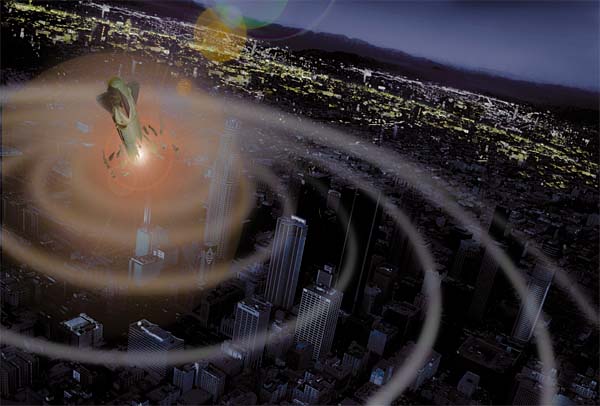
In an era where modern civilization hinges on electricity and electronics, few threats loom as ominously as an electromagnetic pulse (EMP). Whether triggered by a solar storm, a high-altitude nuclear detonation or man-made generators, an EMP could instantly cripple power grids, fry electronics and plunge society into chaos. The aftermath—widespread blackouts, failed communications and infrastructure collapse—would leave millions unprepared and vulnerable. But despite the grim scenario, practical steps exist to safeguard homes and critical electronics. From Faraday cages to surge protectors, EMP preparedness isn’t just for doomsday preppers—it’s a necessity for anyone relying on technology in an uncertain world.
Understanding EMP vulnerabilities
An EMP unleashes a burst of electromagnetic energy capable of overloading circuits, frying microchips and disabling anything plugged into the grid. Vehicles, medical devices, cell towers and power plants could be rendered useless in seconds. The cascading effects—food shortages, fuel disruptions and societal breakdown—make EMPs one of the most underestimated threats of the 21st century.
Unlike localized disasters, an EMP’s reach could span continents, leaving no region untouched. Historical precedents, such as the 1859 Carrington Event (a solar storm that fried telegraph lines), and modern simulations confirm the potential devastation. The question isn’t if such an event could happen—but when.
Faraday cages: The first line of defense
The simplest and most effective way to shield electronics is by storing them in Faraday cages—conductive enclosures that deflect electromagnetic energy. These cages can be commercially purchased or improvised using everyday metal containers, such as:
- Aluminum trash cans (lined with insulating material like cardboard)
- Metal filing cabinets (sealed with conductive tape)
- EMI-shielding bags (designed for sensitive electronics)
Critical devices to protect include:
- Radios (HAM, shortwave, emergency NOAA models)
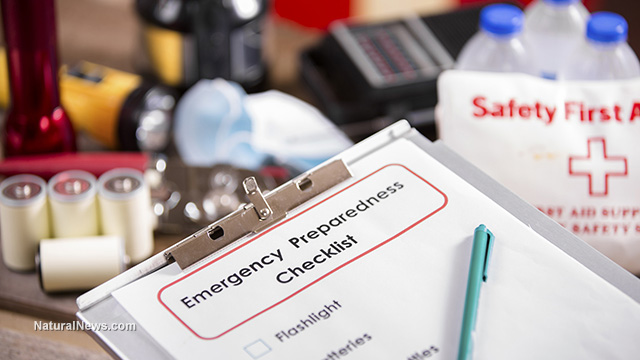
- Flashlights, batteries and solar chargers
- Backup medical equipment (e.g., pacemaker monitors)
- Spare laptops or tablets with downloaded survival manuals
Even a microwave oven (when unplugged) can function as a makeshift Faraday cage, though proper grounding enhances effectiveness.
Power solutions: Surviving the blackout
With the grid likely to be down for months or years after an EMP event, alternative energy sources become essential. However, generators and solar arrays must themselves be shielded from EMPs.
Key strategies include:
- Storing backup generators in grounded metal sheds
- Using EMP-hardened solar charge controllers
- Keeping spare fuel (gas, propane) in Faraday-protected containers
Portable power stations can provide temporary electricity if stored safely. But reliance on renewables requires redundancy—solar panels may survive, but inverters and charge controllers are vulnerable.
Surge protection: Shielding your home’s infrastructure
While Faraday cages protect small electronics, whole-house surge protectors defend appliances and wiring. Two primary options exist:
- Whole-house surge protectors – Installed at the breaker panel, these devices divert excess voltage to the ground. Brands like EMP Shield claim military-grade protection against EMPs.
- Service entrance protectors – More robust (and expensive), these units handle surges up to 300kA, making them ideal for extreme events.
Neither guarantees 100% protection, but they significantly reduce risk. Proper grounding is critical as faulty grounding renders surge protection useless.
Fire risks and extinguishers
EMP-induced power surges can spark fires in wiring, appliances and transformers. Homes should stock ABC-rated fire extinguishers (for electrical, liquid and solid fires) and place them strategically near:
- Circuit breaker panels
- Kitchens and garages
- Generator storage areas
According to BrightU.AI‘s Enoch engine, other steps you can take to minimize surge-related fire hazards include:
- Installing EMP surge protectors on electrical systems
- Storing backup batteries in Faraday cages
- Keeping sand or water buckets readily accessible
- Ensuring wiring is properly grounded
- Unplugging non-essential devices before an anticipated EMP event
Communication: Ham radio as a lifeline
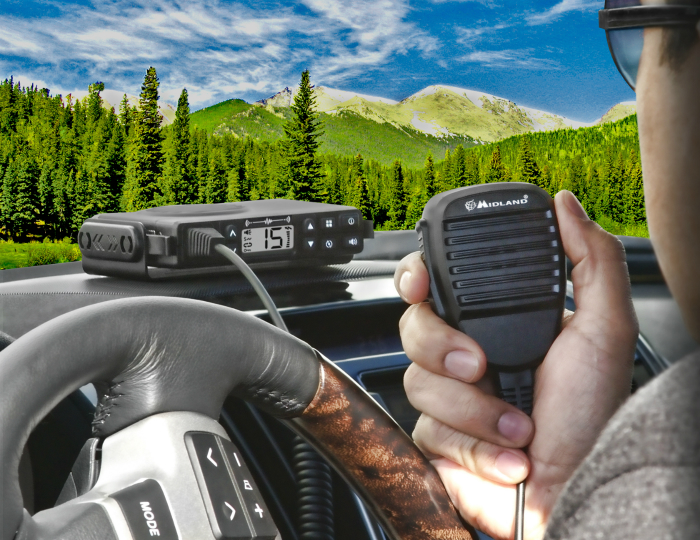
When cell towers and internet fail, HAM radios (protected in Faraday cages) become the only reliable communication tool. Licensing is recommended, but emergency use permits unlicensed operation in crises. Key frequencies to monitor include:
- NOAA weather alerts
- FEMA and local emergency channels
- Prearranged family and community networks
Portable hand-crank radios offer backup if primary systems fail.
Long-term survival supplies
An EMP’s aftermath could last months or years. Essential stockpiles include:
- Non-perishable food (three to six months’ supply)
- Water filtration systems (gravity filters, purification tablets)
- Medications and first-aid kits
- Fuel, candles and alternative heating (wood stoves)
- Barter goods (ammunition, tools, seeds)
Cash may become worthless after SHTF; gold, silver and barterable skills (medical, mechanical) hold value.
An EMP’s destructive potential is undeniable, but preparedness mitigates disaster. By shielding electronics, securing power alternatives and stockpiling essentials, households can endure even a nationwide blackout. The key lies in taking proactive measures today before the lights go out for good.
The silent pulse that could end modernity is not a question of if, but when. Those who prepare may be the only ones left standing when the grid fails.
Watch the following video to learn about the three steps to whole-house EMP protection.
This video is from the Daily Videos channel on Brighteon.com.
Sources include:
Submit a correction >>
Tagged Under:
Collapse, disaster, electromagnetic pulse, EMP, grid collapse, homesteading, off grid, preparedness, prepper, prepping, prevention, self-defense, SHTF, survival, survivalist, tips
This article may contain statements that reflect the opinion of the author
RECENT NEWS & ARTICLES